Campaign Update
August 17, 2026
A downtown landmark opens again
A historic downtown landmark reopened in 2019 after a $50 million public-private rehabilitation.
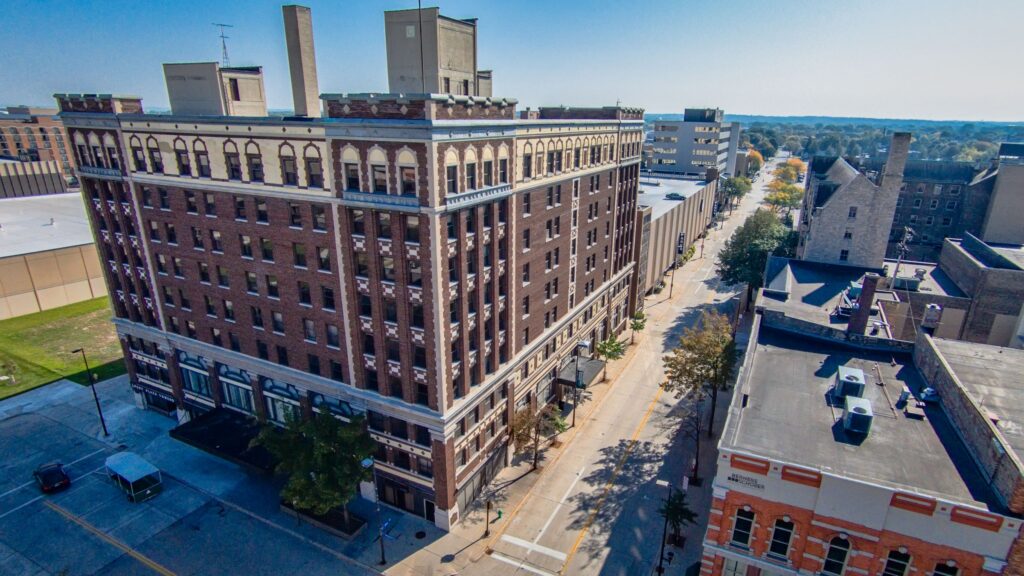
Hotel Northland opened in downtown Green Bay in 1924. For generations, it was a place where people stayed, ate, met, celebrated, and marked important moments in the life of the city.
By the time I was mayor, the building still carried that history, but history alone could not keep it useful. The hotel needed a viable rehabilitation plan, financing, construction work, preservation decisions, and a future that made sense for downtown Green Bay.
That made the Northland more than a building project. It was a test of whether Green Bay could preserve an important landmark while returning it to daily economic use.
The city's 2018 financial report described the rehabilitation as a $50 million public-private project completed in phases over three years. The report identified a 160-room hotel, two full-service restaurants, and meeting and event space. It also emphasized the restoration of a building that had stood at the center of downtown since the 1920s.
The hotel reopened in 2019. Later that year, the City of Green Bay announced that the project would receive a historic restoration award. The Wisconsin Historical Society's property record also documents the Northland's place in the city's architectural history.
Those facts matter because preservation projects are often judged too narrowly. If a historic building remains closed, it is preserved only on paper. If it is stripped of everything distinctive, the city may gain usable space while losing part of its identity. The Northland project had to find a workable middle ground: retain the character that made the building worth saving and create a property that could function in the present.
The work also depended on shared responsibility. Developers and lenders had to assemble a financially workable project. Architects, preservation specialists, contractors, and tradespeople had to solve problems inside an old building. City staff and public bodies had to review plans and public tools. Businesses and guests then had to choose to use the hotel once the doors reopened.
That is why no single ribbon cutting tells the whole story. A project of this scale is built through years of decisions, setbacks, revisions, and follow-through.
For me, the lasting significance of Hotel Northland is concrete. A vacant or underused landmark became an active downtown hotel again. A building associated with Green Bay's past returned as a place for rooms, restaurants, meetings, and events. The project strengthened the connection between historic preservation and everyday downtown activity.
Public records allow residents to examine the scale of the work and the public-private structure behind it. They also help keep the credit where it belongs: with the many people and institutions that carried the project from an ambitious proposal to a reopened building.
Hotel Northland is part of downtown Green Bay's history. Its rehabilitation put that history back to work.
Why this still matters
Economic development lasts when Green Bay preserves distinctive places and puts them back to work.