Water, Parks, and Public Life
August 17, 2026
The long work of bringing Bay Beach back
Green Bay improved Bay Beach with public amenities and a $500,000 EPA green-infrastructure grant.
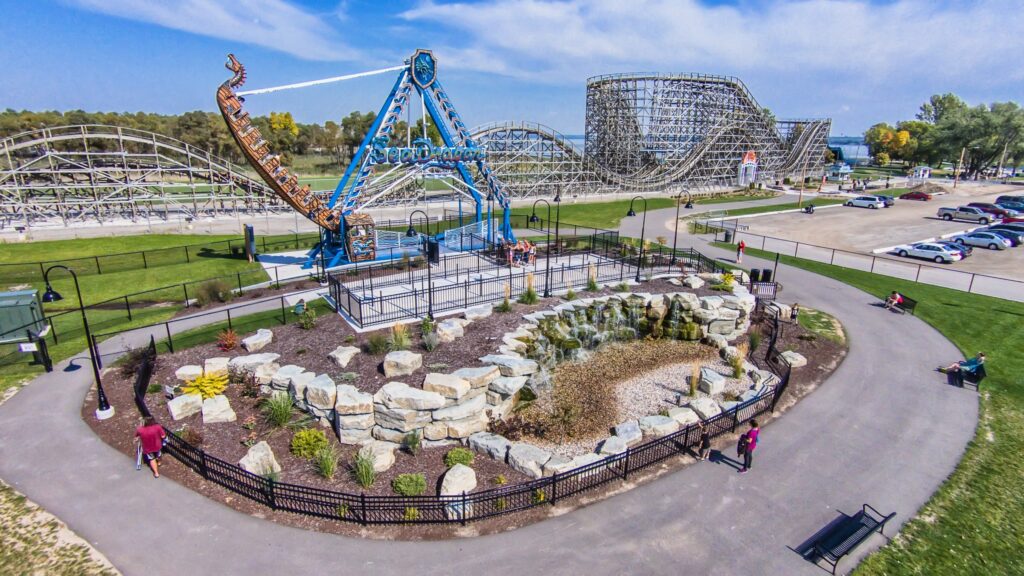
Bay Beach is one of the places where Green Bay's history is lived rather than displayed.
Families return because the park is familiar, affordable, and public. Children experience many of the same sights and rides their parents remember. Visitors can spend time near the bay without needing a membership or a special invitation.
Maintaining that kind of place requires more than preserving memories. Buildings age. Shorelines change. Water conditions, stormwater, access, parking, public safety, and environmental requirements all create practical work. The visible attraction is only one part of a larger public property.
During my administration, Green Bay's plans for Bay Beach extended beyond the amusement rides. The 2018 State of the City identified work involving the beach, boardwalk, wildlife pier, bathhouse, parking area, and pavilion. Those were connected pieces of a long effort to improve how people reached and used the waterfront.
The environmental side of the work mattered as well. In 2014, the U.S. Environmental Protection Agency awarded Green Bay a $500,000 Great Lakes Shoreline Cities green-infrastructure grant for Bay Beach. EPA Region 5 Administrator Susan Hedman joined the city and Friends of Bay Beach for the announcement.
The grant was not the same as a finished beach. It was a documented source of outside support for infrastructure work at the site. Green Bay still had to design projects, satisfy environmental requirements, assemble other funding, and carry the work through later phases.
NBC26 later reported on the continuing effort to restore swimming at Bay Beach and identified $5 million in bonding that had been secured during my time as mayor. That coverage also made clear that the project remained a long-term undertaking after I left office.
That timeline is part of the record. Public projects often cross administrations. One group begins the planning, another assembles funding, another confronts new information, and another completes a later phase. Honest credit has to follow the work rather than an election calendar.
Bay Beach also depends on people outside City Hall. Friends of Bay Beach, park employees, engineers, contractors, environmental partners, council members, and residents all contributed to the park's direction. Families who kept using and supporting the park demonstrated that the place continued to matter.
The public record from this period shows a city treating Bay Beach as more than a collection of rides. It included shoreline work, public amenities, environmental infrastructure, and a long-term effort to reconnect people with the beach itself.
No single grant or announcement completed that effort. Each was one step in maintaining a public place that Green Bay residents had used for generations.
That is the longer Bay Beach story: protect what people already value, address the difficult infrastructure beneath it, and keep working across years and administrations until more of the waterfront can be used again.
Why this still matters
Bay Beach remains a reminder that public places improve through steady investment and outside support.