A City Reconnected
August 17, 2026
Why Broadway was worth protecting
Jim opposed a proposed 154,000-square-foot Walmart on Broadway because it did not fit the corridor’s direction.
In 2014, Walmart proposed a 154,000-square-foot Supercenter for the former Larsen Green property near Broadway and the Fox River.
The proposal offered a large private investment and a familiar retail use for a difficult site. Supporters pointed to possible jobs, shopping convenience, and development on vacant land. Those considerations were part of the public debate.
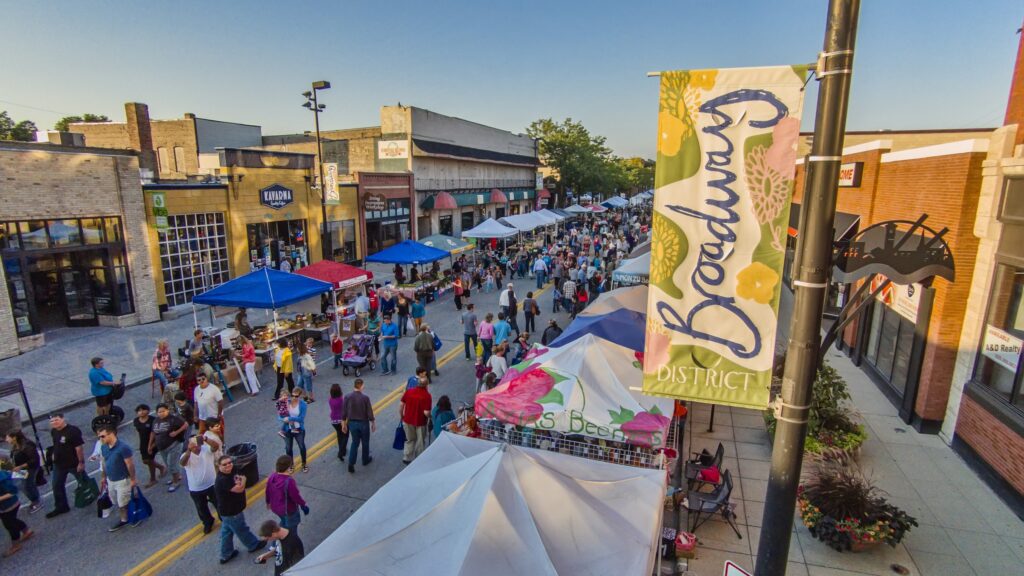
The site, however, was not isolated from its surroundings. Wisconsin Public Radio reported that Green Bay had spent years working to revitalize the Broadway corridor around small businesses, housing, and substantial downtown investment. The question was not simply whether a retailer wanted to build. It was whether the building form and land use fit the district Green Bay had been trying to create.
I opposed the proposal because I did not believe a one-story big-box store of that scale matched the long-term direction of Broadway.
That position did not amount to opposition to all large businesses or all outside investment. Economic development decisions are tied to place. A project that fits one part of a city may be a poor match for another. A river-adjacent downtown parcel carries different opportunities and constraints than a highway commercial site.
The size and layout of a development influence more than the building itself. They affect street connections, walking routes, surrounding businesses, housing opportunities, public space, and what later projects can do. Once a large parcel is committed to a particular pattern, the decision can shape the district for decades.
City staff and I presented alternatives that included housing, office and retail space, a smaller grocery option, public green space, and entertainment uses. That record matters because it shows the debate was not framed as development versus permanent vacancy. There were competing ideas for what redevelopment could be.
The Walmart proposal did not proceed. Later development in the broader former Larsen Green area included mixed-use projects, including The Fort at the Rail Yard, which opened in 2025 with 233 apartments and first-floor retail. That later outcome involved different participants and later decisions, and not every project occupied the exact footprint of the earlier proposal.
The historical connection is narrower. By not committing the broader area to the proposed Supercenter, Green Bay retained the ability to pursue other forms of development over time.
Broadway's redevelopment has involved residents, neighborhood advocates, local businesses, planners, council members, developers, city employees, and multiple administrations. Protecting the district's direction was not the achievement of one office. It was a community argument about what kind of place Broadway could become.
That is the context in which I opposed the proposed store. The decision was about the fit between one project and a district Green Bay had already invested years in rebuilding.
Why this still matters
Economic development should strengthen the places Green Bay residents already value.