Water, Parks, and Public Life
August 17, 2026
A city is also its public art
The things that make a city worth living in are not always the things that fit neatly into a campaign slogan. A family museum, a garden, a piece of public art, and a well-used park all shape whether people feel a city belongs to them.
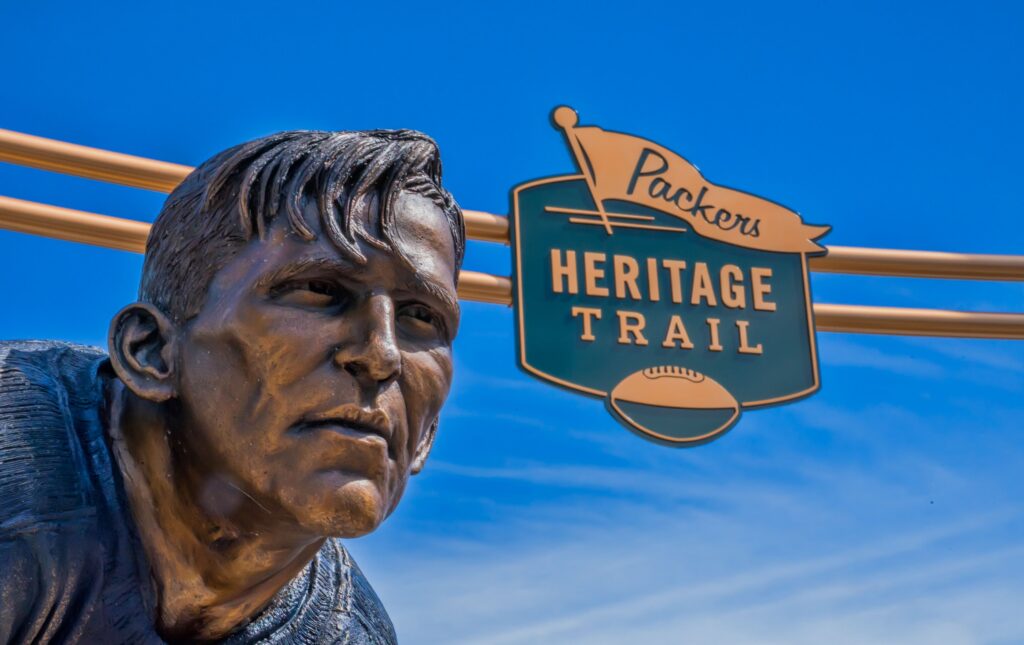
In 2016, the City of Green Bay established a Public Arts Commission.
The city's archived notice describes the commission's role in practical terms: promote, fund, install, and preserve public art while providing equal public access. Those responsibilities turn a broad interest in the arts into a defined public process.
Public art occupies a different place than art held in a private home or displayed inside a ticketed institution. It appears in spaces people pass through during ordinary life. A person may encounter it while walking to work, waiting for a bus, visiting a park, or moving through a downtown street.
That access is part of the public record behind the commission. The city did not establish it simply to discuss whether art was desirable. It created a body with responsibilities connected to selection, funding, installation, preservation, and public availability.
Each of those responsibilities presents a separate question. Funding has to be identified. A location has to be appropriate and safe. Artists and proposals require a fair process. Materials have to withstand weather and use. A completed work needs maintenance so that installation is not treated as the end of the public obligation.
The word “public” also matters. A city contains many tastes, histories, and experiences. No single work can represent all of them. A commission creates a place where proposals can be reviewed openly and where access and stewardship can be considered alongside artistic merit.
During my administration, establishing the commission was one documented step in giving that work a durable home inside city government. Commissioners, artists, donors, city employees, council members, property owners, and residents would determine what followed. The mayor's office did not create or own the art.
The commission's creation belongs in the record because civic infrastructure is not limited to utilities, streets, and buildings. Cities also make decisions about how public spaces are experienced and what people encounter in the places they share.
That does not place public art above basic services or remove the need for budget discipline. It describes a specific municipal responsibility Green Bay chose to organize in 2016. The archived city notice allows residents to see when the commission was established and what role it was given.
The result is a factual, limited claim: Green Bay created a Public Arts Commission to support public art through an organized process and equal public access.
That process gave artists and residents a public structure for work that had often depended on one project or one opportunity at a time.
Why this still matters
Arts, parks, museums, and shared institutions remain part of Green Bay infrastructure because they shape belonging and retention.