A City Reconnected
August 17, 2026
A waterfront built for people, not just a property line
Green Bay’s 2019 Shipyard plan paired public waterfront access with a $500,000 EPA cleanup grant.
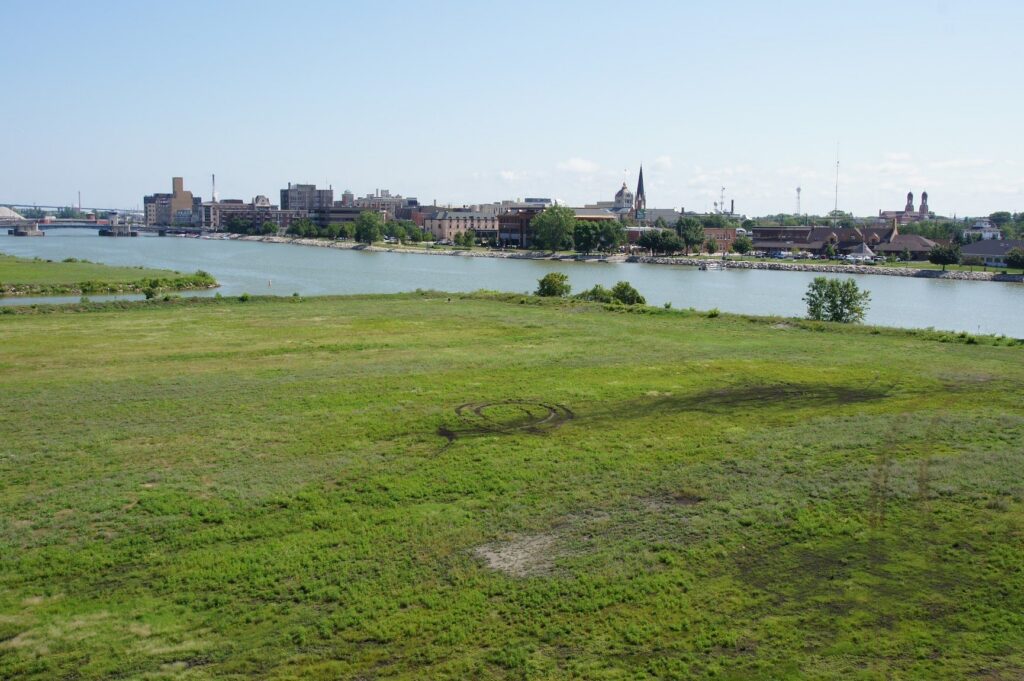
The west bank of the Fox River carried the physical history of Green Bay's industrial economy. At the future Shipyard site, that history also left difficult land conditions, vacant property, and structures that could not simply be treated like an empty development parcel.
Before the land could support a new public use, the environmental work had to be understood and funded.
Green Bay's 2019 budget described the Shipyard as a brownfield-redevelopment project. The plan paired cleanup and reuse with public waterfront access, recreation, markets, gathering space, and room for private activity. It was an attempt to turn an underused industrial site toward a new purpose without closing the riverfront off from the public.
In June 2019, the U.S. Environmental Protection Agency announced that the Green Bay Redevelopment Authority had been selected for a $500,000 Brownfields Cleanup Grant. EPA records identify nine parcels across a 14-acre Shipyard site. The agency described the grant as part of a $1.2 million remediation effort intended to cap soils with low levels of contamination and make the property safe for reuse.
Those details explain why brownfield redevelopment takes time. A city cannot responsibly place public amenities, housing, workplaces, or commercial activity on contaminated land without investigation and cleanup. The visible project comes after years of less visible environmental, legal, financial, and engineering work.
The grant also shows how local and federal responsibilities can meet. Green Bay identified a local redevelopment purpose. EPA's brownfields program supplied competitive cleanup resources. State support and other funding were part of the broader remediation picture. None of those partners could produce the full project alone.
When I was mayor, the public-access component mattered because waterfront redevelopment can take two very different forms. A riverfront property can become a private edge that most residents experience from a distance, or it can combine investment with spaces the public can enter and use. The 2019 Shipyard materials placed public recreation and gathering space inside the redevelopment concept.
That did not make the Shipyard a finished project in 2019. Plans could change. Construction, development partners, funding, environmental findings, and later public decisions still mattered. The documented achievement at that stage was more specific: Green Bay had established a redevelopment direction, assembled a cleanup path, and kept public use central to the site's intended future.
Public officials should describe that stage accurately. Securing a grant is not the same as completing a neighborhood. Adopting a plan is not the same as opening a public space. Both are necessary forms of progress when they move difficult land toward safe and productive reuse.
The Shipyard record shows the long sequence behind waterfront redevelopment: understand the site's history, address contamination, combine funding sources, retain public access, and create conditions in which later investment can happen.
That is how an old industrial property begins becoming part of public life again.
Why this still matters
Redevelopment should prepare difficult sites for safe reuse while keeping public access at the center.