How Green Bay Gets Things Done
August 17, 2026
Putting term limits on the ballot
The clearest test of public-service rhetoric is what happens when the rule applies to the person making it.
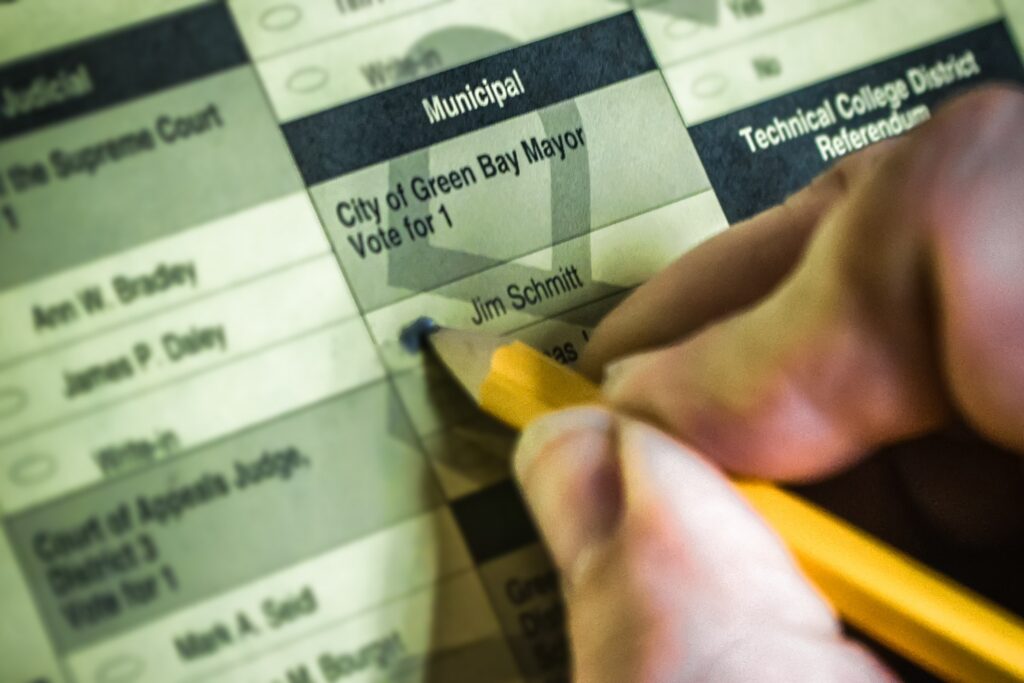
In August 2018, the Green Bay City Council voted on whether to place a term-limits question before voters.
The proposal covered the mayor, alderpersons, and municipal court judges. The question asked whether those offices should be limited to twelve consecutive years.
The council vote was tied 6-6. As mayor, I cast the deciding vote to put the question on the ballot. The final council action was 7-6.
That procedural detail is the central fact. The council did not impose the proposed limit through that vote. It decided, by the narrowest possible margin, to send the question to Green Bay voters.
Term limits involve competing views. Supporters argue that regular turnover can open offices to new people and prevent incumbency from becoming permanent. Opponents argue that voters already possess the power to remove an officeholder and that fixed limits can force out experienced officials. The 2018 action did not erase that disagreement. It placed the choice in a public referendum.
The question also applied to the office I held. I had been elected to four terms and served sixteen years as mayor. Supporting a twelve-consecutive-year limit therefore raised an obvious issue about whether I would seek office again.
Later in 2018, when I announced that I would not run for another term, I said it could be disingenuous to seek reelection after helping place the twelve-year limit before voters. WBAY's reporting documents both that statement and the earlier tie-breaking vote.
Those actions occurred in a specific sequence. First, the council considered whether voters should decide the term-limit question. I broke the tie in favor of putting it on the ballot. Later, I said I would not seek another term and connected that decision to the rule I had helped submit.
The record does not require everyone to agree with term limits. It does show how an institutional rule can affect the person supporting it.
Public offices exist beyond one officeholder. Rules about their structure should be judged openly, with attention to how they apply to allies, opponents, incumbents, and future candidates alike. In 2018, Green Bay's council debate and referendum process made that question public.
My role is documented and limited: I cast the deciding council vote to place the twelve-year proposal before voters, and I later said that running again would conflict with the position I had taken.
That is why this episode remains part of my public record. It was not only a statement about future officeholders. It affected my own decision at the end of sixteen years as mayor.
Why this still matters
Institutional rules matter most when the people in office accept that those rules apply to them too.