From Jim's Story
September 22, 2026
Why I Opposed a Downtown Walmart
In 2014, the question was not whether Green Bay could grow. It was whether downtown should grow around a single big-box store or around homes, local businesses, and public life.
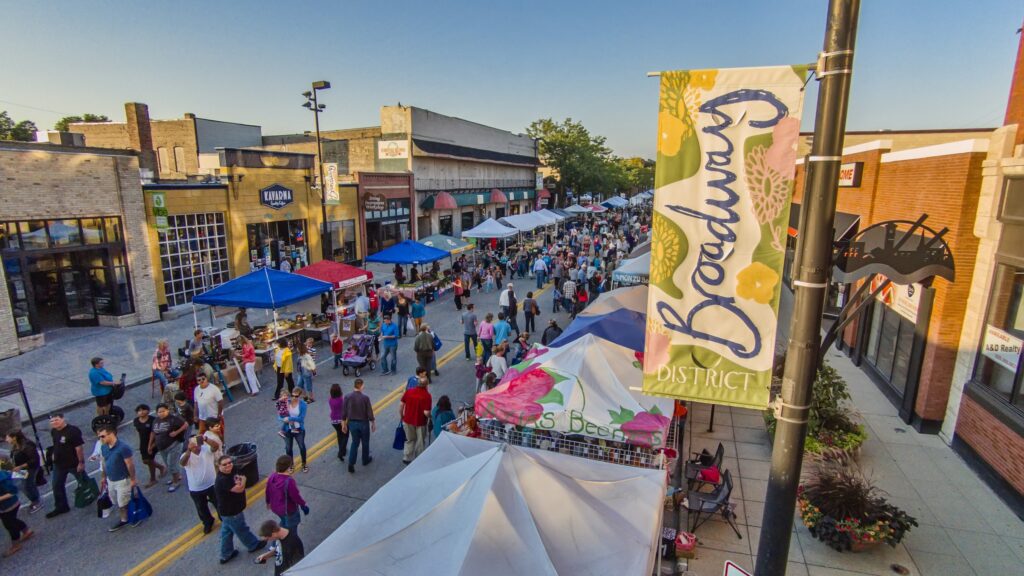
In 2014, Walmart proposed a 154,000-square-foot, one-story Supercenter on the former Larsen Green property in Green Bay's Broadway district.
The site was near the Fox River on land once occupied by a vegetable cannery. It was also part of a district that residents, small-business owners, local investors, and city staff had spent years trying to rebuild around historic buildings, housing, local businesses, and public life. The proposal forced a direct question: What kind of downtown was Green Bay trying to create?
There were people who supported the store. They saw a large private investment, another shopping option, possible jobs, and more customers coming into the area. Those were legitimate considerations, especially for a property that had remained difficult to redevelop.
I opposed the proposal.
My objection was not that Walmart was a national company or that Green Bay residents should have fewer choices. My concern was the land and the long-term direction of the district. A single-story big-box store surrounded by the space its model required did not fit the walkable, mixed-use neighborhood Green Bay had been working to build along Broadway.
This was not a theoretical planning argument. By that point, substantial community investment had already gone into downtown Green Bay. Wisconsin Public Radio reported at the time that the Broadway corridor had been developed around small businesses and housing, and that the proposed site was being viewed as prime land near the river. Once a major property is committed to one use, the decision shapes the neighborhood for decades.
The pressure around the proposal was intense. Walmart had the resources to make its case directly to the public and to city officials. There were repeated presentations and public meetings. Mailers went to aldermen. Reporters regularly sought interviews, sometimes following our vehicles to get one. People on both sides believed the decision would say something important about whether Green Bay welcomed investment.
I believed welcoming investment also meant being willing to judge whether a particular project served the city's larger plan.
City staff and I presented alternatives. They included new housing and lofts, office and retail space, a smaller grocery option, public green space, and entertainment uses. One concept included a ballpark that could also host concerts and events. The purpose was not to stop development. It was to show that the choice was not Walmart or nothing.
That distinction matters. Economic development is not measured by how quickly a city says yes. A useful decision asks what the project contributes, what it displaces, how it connects to surrounding streets and businesses, and whether it strengthens the tax base over time. Sometimes the right answer is yes. Sometimes it is no. In either case, city leaders owe residents a clear explanation.
The Walmart proposal did not move forward. The broader former Larsen Green area took longer to redevelop, but it did not remain frozen. Historic industrial buildings found new uses. Housing, business investment, and retail became part of the area. In 2025, The Fort at the Rail Yard opened with 233 apartments, including affordable and market-rate units, and first-floor retail space.
That later outcome should not be rewritten as one person winning an argument. Many residents, council members, planners, business owners, developers, and workers shaped what followed. Nor does every later project sit on the exact footprint Walmart proposed. The point is more modest and more important: Green Bay preserved the opportunity to pursue a mixed-use future for the broader area.
Leadership is often described as the ability to get something done. It also includes the judgment to reject an answer that does not fit the place, even when that answer is well financed and politically easier.
Downtown Green Bay is not a blank parcel on a development map. It is a collection of neighborhoods, businesses, homes, historic buildings, public spaces, and people. It tells residents and visitors what kind of city we are building.
That is why I opposed the downtown Walmart. Green Bay deserved development that strengthened the district rather than replacing its direction.
Why this still matters
A strong downtown is built through patient, mixed-use investment that gives residents, local businesses, and public life room to grow together.